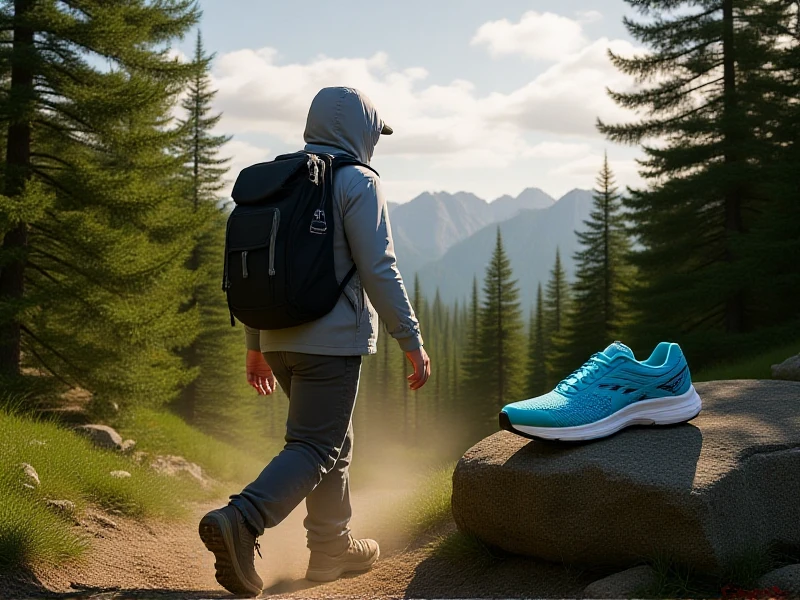
Your Trail-Tested Guide: Choosing High-Performance Hiking Shoes
Every step on the trail depends on solid footing. Unreliable footwear turns adventure into agony, blunting enjoyment and even posing safety risks. That's why investing in dedicated hiking shoes is the single most crucial decision for any walker, from park strollers to mountain adventurers. Forget those worn-out sneakers – true hiking footwear unlocks terrain with confidence. But how do you navigate the overwhelming choices?
More Than Just Comfort: The Hiking Shoe Difference
Hiking shoes are purpose-built. Their outsoles feature aggressive lugs designed with proprietary rubber compounds to grip loose dirt, slick rock, and muddy paths significantly better than standard athletic shoes. This superior traction prevents slips, reducing falls and boosting confidence on uneven ground. The supportive midsoles cushion impacts throughout miles of walking, translating to less ankle and knee fatigue after a long day.
Key Features That Matter:
- Terrain & Weight: Match the shoe to your typical hikes. Lightweight trail runners excel on well-maintained paths and fast hikes. Mid-cut hiking shoes offer more ankle support for rocky or uneven trails with moderate loads. Heavy-duty hiking boots provide maximum stability and protection for technical terrain and heavy backpacks.
- Waterproofing (or Not): Gore-Tex or similar membranes offer crucial waterproofing for wet climates, creek crossings, and dewy mornings. However, they reduce breathability. Highly breathable, non-waterproof models dry remarkably fast and are ideal for warmer, drier conditions or those who prioritize ventilation.
- Grip is Everything: Examine the sole (outsole). Deep, widely-spaced lugs shed mud, while closely-packed lugs offer stability on rock. Vibram Megagrip or specific trail traction technologies provide exceptional grip on varied, challenging surfaces. Consider the flex of the sole too – stiffer soles offer rock plate protection against sharp stones.
- The Perfect Fit: This is critical. Shop in the afternoon when feet swell slightly. Wear the socks you hike in. Ensure a snug heel lock, ample width across the ball of the foot without constriction, and about a thumbnail's length of space in front of your big toe (prevents toe-banging downhill). Walk aggressively on an incline in the store if possible.
Durability and Care:
Quality hiking shoes use tough suede or synthetics combined with reinforced toe bumpers and heel counters. While an investment, caring for them extends their life. Clean off dirt after hikes, use specific cleaners for materials, and periodically reapply appropriate waterproofing treatments (like Nikwax for waterproof models).
Unlock Your Potential:
The right hiking shoes become an extension of your feet, enhancing performance, comfort, and safety. Brands like Salomon, Merrell, Keen, La Sportiva, and Hoka One One consistently deliver top performers across hiking categories. Don't sacrifice an incredible view or a successful summit due to inadequate footwear. Investing in high-performance hiking shoes ensures every step on the path is a step towards greater adventure. Choose wisely, lace up securely, and confidently explore further.