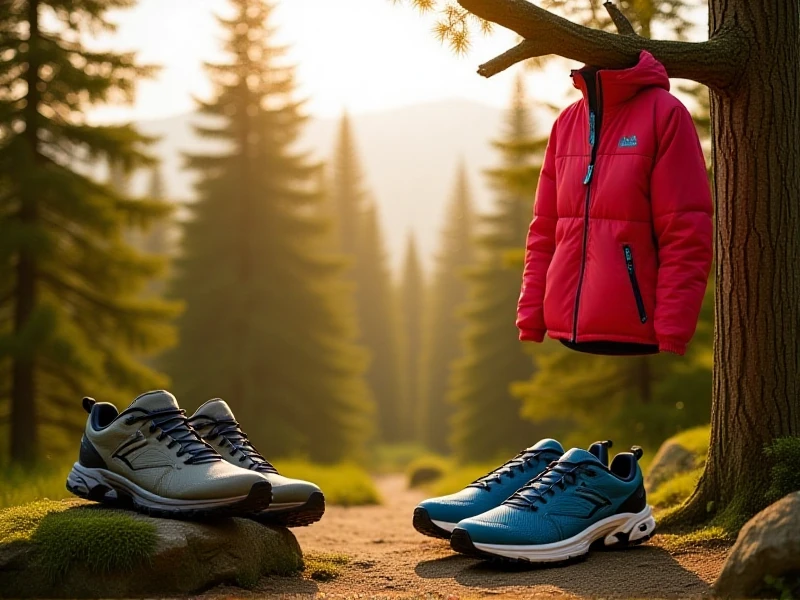
Finding Your Perfect Trail Companions: The Essentials of Choosing Hiking Shoes
Here is a SEO article focused on "Hiking Shoes":
Embarking on an adventure into the great outdoors? Whether it's a gentle woodland stroll or tackling rugged mountain paths, your journey's enjoyment and safety begin with the right pair of hiking shoes. Forget flimsy sneakers; dedicated hiking shoes are engineered to be your dependable trail partners.
Arguably the most critical piece of gear, hiking shoes bridge the connection between you and the terrain. A poor choice can turn a beautiful hike into a blister-ridden ordeal, while the right pair propels you forward with confidence and comfort.
So, what makes hiking shoes different? Here's what to prioritize when selecting your perfect match:
- Fit & Foot Support: This is paramount. Your hiking shoes should snugly cradle your heel and midfoot without pinching your toes. Look for excellent arch support and a shape that matches your foot. Remember, feet naturally swell during hiking, especially on longer treks or warmer days. Always try on shoes in the afternoon and wear the specific hiking socks you intend to use. Adequate toe room is crucial to prevent black toenails on descents.
- Traction is King: Slippery rocks, muddy patches, and loose gravel demand superior grip. Focus on the sole. Look for hiking shoes featuring aggressive, multi-directional lugs made from a high-quality, sticky rubber compound like Vibram®. Deep lugs shed mud effectively, ensuring consistent traction across diverse surfaces.
- Durability & Protection: Trails are tough on footwear. Sturdy uppers made from abrasion-resistant materials like leather (full-grain or nubuck for durability) or reinforced synthetic fabrics shield your feet from trail debris and scuffs. A protective rubber toe cap shields against accidental stubs on rocks or roots, while a secure heel counter provides stability.
- Support & Stability: Depending on the terrain and your load, consider the level of ankle support. Low-cut hiking shoes offer maximum flexibility and are lighter, ideal for well-maintained trails with light loads. Mid-cut versions provide a bit more ankle support for rougher terrain or moderate backpacking, helping prevent rolls.
Beyond these core elements, consider your typical hiking environment. Are you tackling wet conditions? Waterproof membranes like Gore-Tex® are excellent but reduce breathability; quick-drying, non-waterproof ("mesh") shoes are often better for hot, dry climates. Assess the weight – lighter shoes generally mean less fatigue over distance.
Investing time in finding your ideal hiking shoes is an investment in countless miles of comfortable adventure. Don't rush the process. Visit a reputable outdoor retailer, try on multiple brands and models, walk around, and test them thoroughly. What's your terrain calling for? Find the right hiking shoes, and step out onto the trail with confidence. Your feet (and your whole experience) will thank you!