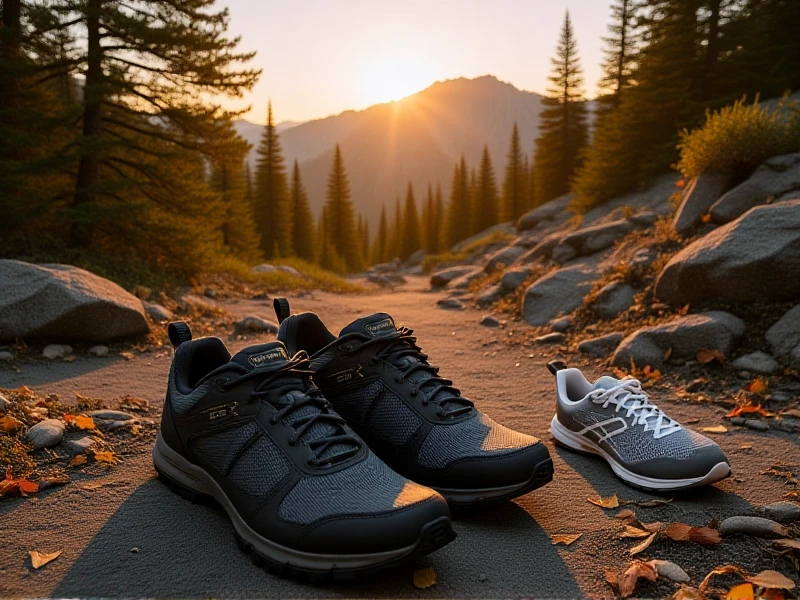
Finding Your Perfect Pair of Trail-Tested Hiking Shoes
Stepping onto the trail demands reliable footwear. Your feet are your foundation, and choosing the right hiking shoes makes the difference between an exhilarating adventure and a painful slog. With countless options, finding the ideal pair can seem daunting. Focus on these key elements to guide your next purchase.
First, consider your terrain. Will you navigate easy, well-groomed paths or tackle rugged, rocky inclines? Lightweight, flexible hiking shoes with cushioning excel on smoother trails, offering comfort over long distances. For technical terrain with loose rocks or steep climbs, prioritize ankle support and aggressive traction. Look for stiff midsoles and supportive, higher-cut models for stability on uneven ground.
Traction is non-negotiable. The outsole is your connection to the earth. High-quality rubber compounds like Vibram provide outstanding grip and durability. Deep, multi-directional lugs bite into mud, scree, and wet surfaces, preventing slips. A patterned tread that effectively sheds mud ensures consistent grip, especially in challenging conditions. Ensure the design covers both the heel and toe areas for confident ascents and descents.
Never underestimate comfort and fit. Hiking shoes should feel secure without pinching. Your foot volume (width, instep height) dictates the best last shape. Ample toe box space prevents bruising on downhill sections. Prioritize breathability through mesh panels to prevent overheating and moisture build-up that leads to blisters. Padding around the collar and tongue enhances comfort on day-long treks.
Support and cushioning vary depending on pack weight and personal preference. Lighter shoes often feature softer cushioning suited for nimble movement and minimal loads. Heavier packs demand more robust midsole support (EVA foam, polyurethane) to prevent foot fatigue and absorb impact. Try shoes on in the afternoon when your feet are naturally slightly larger. Wear the socks you normally hike in, and walk on an incline if possible. Ensure your heel is locked down with no slippage, and your toes don't hit the front when stepping downhill.
Quality hiking shoes combine durable, water-resistant uppers (like nubuck leather or tough synthetics) with protective toe caps and tough construction. Remember, the lightest shoes often compromise durability. Matching your chosen footwear to your specific hiking style and the most common trails you tackle is essential. Invest time trying different models and brands – your feet will thank you after mile ten. Discover the pair that lets you walk farther, explore harder, and embrace the wilderness with confidence. Your perfect trail companion awaits.