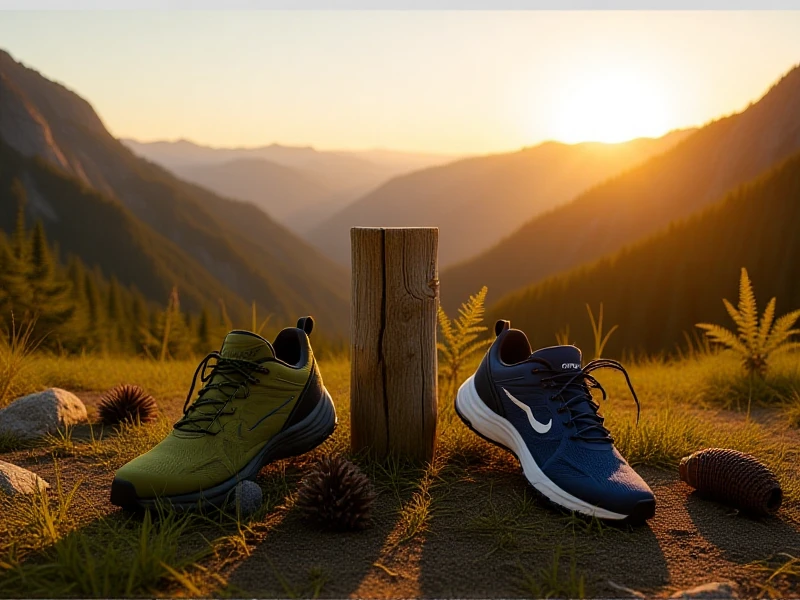
Finding Your Perfect Pair: Essential Guide to Choosing Best Hiking Shoes
Stepping onto the trail unlocks breathtaking views and invigorating challenges, but your adventure starts long before the summit. Choosing the right hiking shoes is fundamental to enjoying miles of comfort and safety. With so many options, understanding key features empowers you to find your ideal trail companions.
Beyond Fashion: Function First
Forget looks; performance reigns supreme for hiking footwear. Prioritize these crucial elements:
- Grip & Traction: Rugged outsoles with deep, multi-directional lugs are non-negotiable. They bite into loose dirt, scramble over rocks, and keep you sure-footed on wet roots or slippery surfaces, preventing slips and falls. Vibram® soles are a renowned benchmark.
- Ankle Support & Stability: Terrain dictates support level. Low-cut trail runners offer flexibility on smooth paths. Mid-cut hiking shoes provide essential ankle stability on uneven trails and moderate loads. Opt for sturdy heel counters that lock your foot down, minimizing rollovers.
- Water Dilemma: Dry vs. Breathable: Waterproof membranes (like Gore-Tex®) excel in wet conditions, keeping feet dry through streams and puddles. However, they trap heat. Breathable, non-waterproof mesh offers superior ventilation for hot weather, dries faster if soaked, but provides less protection. Assess your typical climate and terrain.
- Cushioning & Underfoot Protection: Durable midsoles (EVA, PU) absorb shock and shield your feet from sharp rocks. Weight considerations matter: plush cushioning adds comfort for long distances but often increases weight. Nimble shoes trade maximum cushion for lightweight agility.
- The Perfect Fit (This is Crucial!):
- Sizing Up: Feet swell during hikes! Buy shoes a half to full size larger than your street shoes.
- Toe Room: Wiggle room for toes prevents bruising downhill. Your longest toe should clear the end by a thumb’s width.
- Heel Lock: Minimal heel slippage prevents blisters. Locking lacing techniques help.
- Width: Snug across the midfoot without pinching. Many models offer wide/regular options.
- Try Before You Hike: Always try on hiking shoes wearing your intended hiking socks, in the afternoon when feet are naturally larger. Test on an incline.
Terrain & Load Shape Your Choice
Match the best hiking shoes to your adventures:
- Stuffed-Pack Weekend Trips: Require supportive mid-cut boots with stiff midsoles for heavier loads and varied terrain.
- Day Hikes: Offer flexibility. Lightweight mid-cut hiking shoes or sturdy trail runners usually suffice for well-maintained trails.
- Ultra-Light & Fast: Trail runners shine for speed on established trails.
- Rock Scrambling: Seek shoes with precise edging capabilities and sticky rubber.
Invest time in finding your perfect hiking shoes. Proper fit and terrain-targeted features transform your hike from a potential struggle into pure trail bliss, letting you focus entirely on the journey ahead. Prioritize comfort, support, and grip—your feet will thank you mile after mile. Experience the difference quality footwear for hiking makes!