Finding Your Perfect Pair of Running Shoes: A Comprehensive Guide
Running is one of the most accessible and rewarding forms of exercise, but the wrong shoes can turn a joyful stride into a painful ordeal, potentially leading to injuries. Choosing the right running shoes is paramount for comfort, performance, and long-term joint health. With countless models boasting different technologies, finding your ideal match can feel overwhelming. Understanding the key types and what they offer is your first step.
- Cushioned/Neutral Running Shoes: Designed for runners with efficient biomechanics who don't overpronate excessively. They offer maximum shock absorption through ample midsole cushioning, ideal for high-mileage runners or those with high arches seeking plush comfort. Popular neutral options often feature lightweight foams for responsive energy return.
- Stability Running Shoes: Aimed at mild to moderate overpronators (where the foot rolls inward excessively). These running sneakers incorporate medial post technologies – denser foam or supportive elements on the inner midsole – to guide the foot towards a more neutral motion without harsh correction. A great choice for everyday training runs.
- Motion Control Shoes: Provide maximum support for severe overpronators, larger runners, or individuals seeking ultimate control. They feature firmer midsoles and structured support systems. While typically heavier, they offer essential structure to prevent excessive inward rolling.
- Racing Flats: Designed purely for speed over short distances or races. These lightweight running shoes prioritize minimal weight and ground feel over cushioning and durability, best suited for experienced, injury-free runners focused on performance.
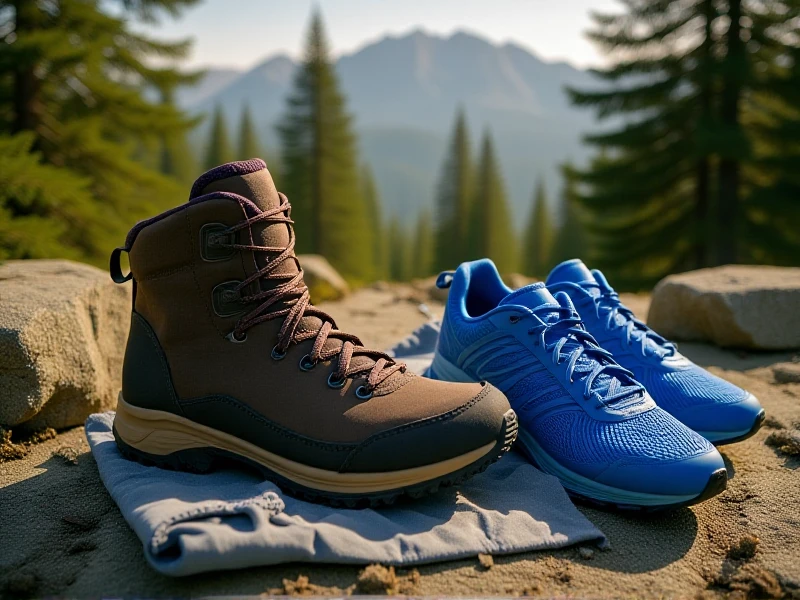
- Trail Running Shoes: Engineered for off-road terrain with aggressive outsoles (lugs) for superior grip on mud, rocks, and roots. They typically have protective toe bumpers, durable uppers, and often enhanced stability features to handle uneven ground, setting them apart from regular road running shoes.
Key Factors When Choosing Your Running Shoes:
- Foot Type & Gait:: Determine if you have a neutral gait, overpronate, or supinate (underpronate). Understanding your pronation helps filter options. Many specialty running stores offer gait analysis. Try the wet foot test on paper at home as a basic indicator (high arch often = neutral, flat/wide imprint often = overpronator).
- Intended Use:: Are you primarily running on roads, trails, or the track? Your primary surface dictates whether you need road running sneakers or trail-specific athletic footwear. Also, consider distance – high-mileage runners need more cushioning.
- Comfort & Fit:: This is non-negotiable. There should be thumb's-width space beyond your longest toe. The heel should lock in securely without slippage, and the midfoot snug yet not restrictive. Width options (standard, wide) are crucial for comfort. Never prioritize style over fit.
- Experience Level & Body Type:: Newer runners or heavier individuals often benefit from more cushioning and support, while experienced, lighter runners might prefer lighter, more responsive athletic footwear.
The Bottom Line:
Investing time in selecting your ideal running shoes pays significant dividends. They protect your body, enhance performance, and make every mile more enjoyable. Visit a reputable store specializing in running apparel, seek expert advice, and always prioritize fit and function. Try them on later in the day when feet are naturally slightly swollen, wear running socks, and jog around the store. Remember, the best running shoes are the ones that feel perfect for you. Give them a test run for maximum confidence before hitting the pavement! Perfect jogging shoes transform your run.