The Ultimate Guide to Choosing Your Perfect Pair of Hiking Shoes
SEO Article: Hiking Shoes
Navigating the world of hiking shoes can feel overwhelming. With countless brands, styles, and technologies, how do you find the right boot for your adventure? Choosing the proper footwear is crucial – it impacts your comfort, safety, and overall enjoyment on the trail. Forget blisters, sore feet, or unstable footing; this guide breaks down exactly what to look for in your next pair of hiking shoes.
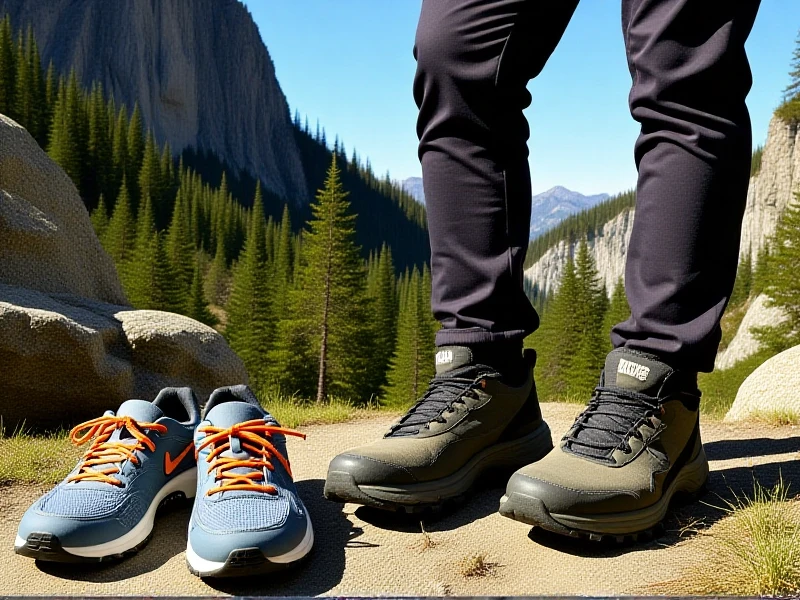
Terrain Dictates Technology: Start by assessing where you hike most often. Smooth, well-maintained paths and day hiking excursions often call for lighter trail shoes. Their flexible soles and breathable uppers offer agility. Conversely, tackling rugged, rocky mountains, carrying heavy backpacks, or navigating muddy terrain demands sturdy hiking boots. These provide enhanced ankle support, deeper lug patterns for superior traction, and durable materials that shield your feet from impact and debris. For wet conditions like creek crossings or persistent rain, prioritize boots featuring dependable waterproof membranes like Gore-Tex® – keeping your feet dry is non-negotiable.
Fit Reigns Supreme: Fit is paramount. Ill-fitting hiking shoes are the fastest route to misery. Always try boots on in the afternoon when feet are naturally slightly swollen, and wear the hiking socks you plan to use. Ensure ample toe room (about a thumbnail's width from your longest toe to the end of the boot) to prevent downhill jamming and black toenails. Your heel should feel locked in, secure with minimal lift, preventing friction blisters. Walk around the store rigorously – simulate an incline on stairs. Feel for even pressure distribution and absolutely zero pinching or hot spots. Remember hiking shoes need some break-in period; avoid tackling a multi-day trek in brand-new boots.
Support & Stability: Look for midsoles offering responsive cushioning to absorb shock over rocky ground. Good torsional rigidity helps the shoe maintain its shape on uneven terrain, preventing foot fatigue and reducing the risk of a nasty twist. If you have specific overpronation or supination needs, explore boots with specialized stability features or consider using supportive insoles alongside neutral footwear. Prioritize outsoles with multi-directional, deep lugs made of sticky rubber (like Vibram® Megagrip) for reliable traction on wet rocks, loose dirt, and steep slopes.
Durability & Materials: Leather (full-grain or nubuck) offers excellent durability, abrasion resistance, and inherent water resistance, often requiring less frequent reproofing than synthetics. Synthetic uppers (polyester, nylon mesh) tend to be lighter, more breathable, dry faster, and are prevalent in trail runners and lighter hiking shoes. Many boots mix both for balance. Pay attention to reinforced high-wear zones like toes and heels.
Investing time in selecting the right hiking shoes pays off with every step. Prioritize fit for your unique foot shape, match the boot to your typical terrain and load, and focus on proven traction and support technologies. Your feet – experiencing miles of breathtaking views without complaint – will thank you. Don't compromise; find the best hiking shoes for your adventure. Looking for specific recommendations or have questions? Drop them in the comments below!