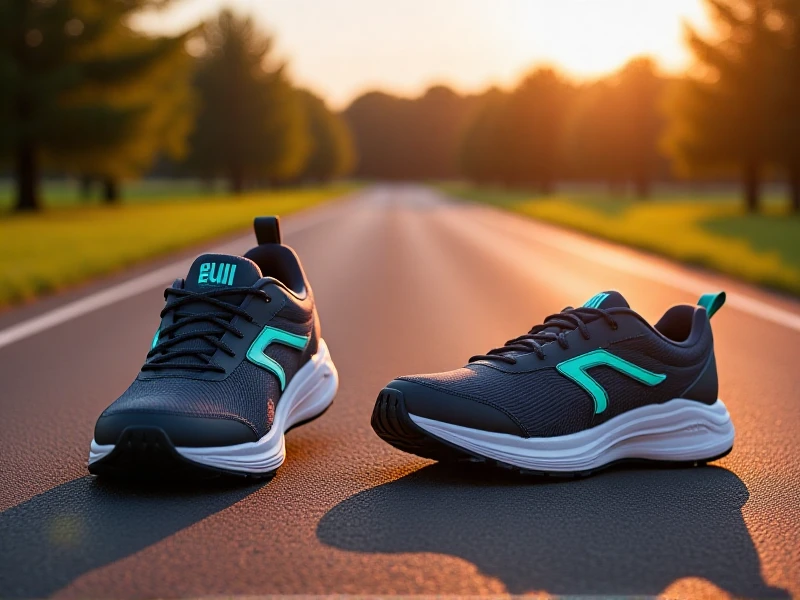
Finding Your Perfect Running Shoes: A Runner’s Guide to Optimal Performance and Comfort
Here is the SEO-optimized article on running shoes:
Hitting the pavement, trail, or treadmill? Your most critical piece of gear isn't your fancy watch – it's your running shoes. Get this wrong, and you're inviting discomfort, inefficiency, and potential injury. Get it right, and every stride feels smoother, faster, and more enjoyable. Choosing the best running shoes is about understanding your unique needs as a runner.
The first factor is where you run. Are you primarily a road runner pounding pavement? Opt for shoes with durable outsoles and ample cushioning to absorb repetitive impact. Trail runners face uneven terrain, rocks, and mud; they require aggressive lugs for grip, rock plates underfoot for protection, and often enhanced stability. Treadmill enthusiasts might prioritize flexibility and moderate cushioning.
Next, consider your running mechanics – particularly your gait. Do your feet roll inward excessively (overpronation), outward (supination), or remain relatively neutral? Visiting a specialty running store for a gait analysis is invaluable. They can observe your stride and recommend shoes offering the necessary motion control for overpronators, cushioning flexibility for neutral runners, or targeted support for supinators.
Cushioning level is a personal preference heavily influenced by distance and impact tolerance. Maximalist shoes offer plush, shock-absorbing layers ideal for long distances or runners seeking joint relief. Minimalist styles provide a ground-feel that encourages a natural stride but require gradual adaptation. Moderate cushioning strikes a versatile balance for most daily training needs.
Fit is non-negotiable. Your running shoes should feel secure but not tight. Aim for about a thumbnail's width of space between your longest toe and the end of the shoe. Ensure the heel locks down without slippage and the midfoot feels comfortably snug, not constricted. Materials matter too; breathable uppers enhance comfort, especially on longer runs.
Finally, track the mileage. Even the best running shoes lose their supportive cushioning over time – typically between 300 to 500 miles. Continuing in worn-out shoes significantly increases injury risk. Replace them proactively before performance dips or discomfort arises.
Investing time in selecting the right pair of running shoes tailored to your run style and body mechanics is the foundation of consistent, injury-free training. It directly impacts how far and how fast you can confidently go. Visit a knowledgeable retailer, test shoes thoroughly, and feel the difference quality footwear makes on your very next run. Your feet, legs, and running journey will thank you.**