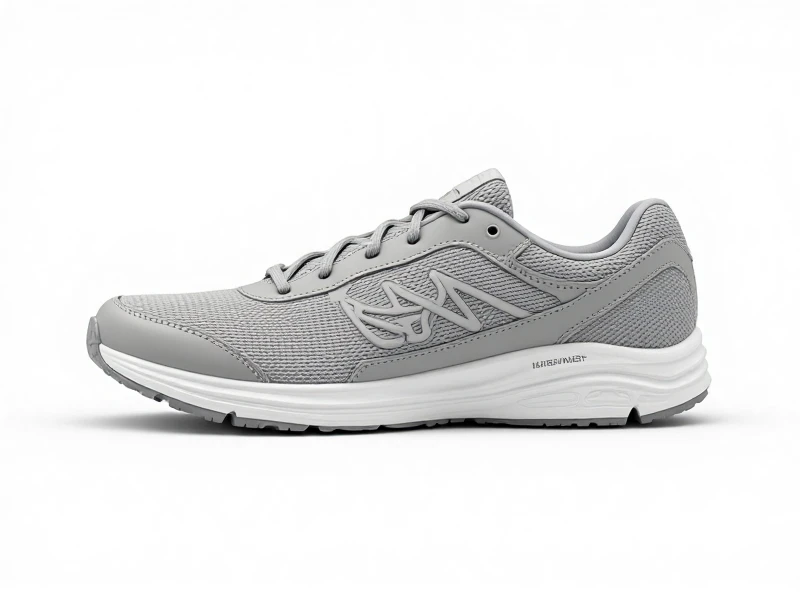
Finding Your Perfect Stride: The Ultimate Running Shoes Guide
Choosing the right running shoes is the cornerstone of any successful running routine, whether you're a weekend warrior or training for your next marathon. The perfect pair protects your feet, enhances comfort, maximizes performance, and significantly reduces the risk of injury. With countless options available, finding your ideal match requires understanding key factors.
The Foundation: Getting Fitted
Forget just grabbing your usual size off the shelf. Ill-fitting running shoes are a recipe for blisters, black toenails, and injuries. Your feet swell during runs, and sizes can vary drastically between brands. Visit a dedicated running store. Knowledgeable staff will measure your feet (length and width) while you stand and sometimes while seated. They'll analyze your gait – how your foot strikes the ground (neutral pronation, overpronation, or supination). This analysis is crucial as it determines if you need neutral running shoes, stability shoes to counter overpronation, or motion control shoes for severe pronation.
Match the Shoe to Your Terrain
Where do you primarily run?
- Road Running Shoes: Lightweight, flexible, and designed for pavement and treadmills. They focus on cushioning impact forces and promoting a smooth stride.
- Trail Running Shoes: Feature aggressive lugs for superior grip on dirt, mud, and rocks. They offer increased durability, enhanced stability on uneven surfaces, and often include rock plates for underfoot protection and toe guards.
- Cross-Training Shoes: Versatile, but not ideal for dedicated long-distance running. They typically blend cushioning with lateral support for gym workouts or short runs mixed with other activities.
Understanding Shoe Anatomy & Tech
Modern running shoes incorporate features tailored to different needs:
- Cushioning: Materials like EVA foam, PU, or proprietary blends like Nike React or Adidas Boost absorb shock. Levels range from maximum cushioning (great for long distances or runners needing impact relief) to minimalist shoes offering a ground feel closer to barefoot.
- Heel-to-Toe Drop: The height difference between the heel and forefoot. Higher drops (e.g., 10-12mm) promote heel striking, while lower drops (0-6mm) encourage midfoot/forefoot striking.
- Stack Height: The total thickness of cushioning underfoot. More equals more cushion but often more weight.
- Upper: Breathable mesh is common. Fit around the midfoot and heel counter stability are critical for security without pinching.
- Plate Technology: Carbon fiber or composite plates (common in racing shoes) add propulsion, increasing running economy and speed but often at the expense of durability and cushioning feel.
The Lifespan Matters
Running shoes don't last forever. Experts typically recommend replacing them every 300-500 miles. Over time, the midsoles compress, losing their ability to absorb shock effectively. Regularly inspect the tread wear and notice if aches or pains increase – telltale signs it's time for new running shoes.
Investing time in finding the right running shoes is investing in your running enjoyment and longevity. Get fitted, consider your terrain, understand the tech that suits your goals, and listen to your body – and shoes. Your feet, joints, and personal bests will thank you. Now get moving! Happy runs!