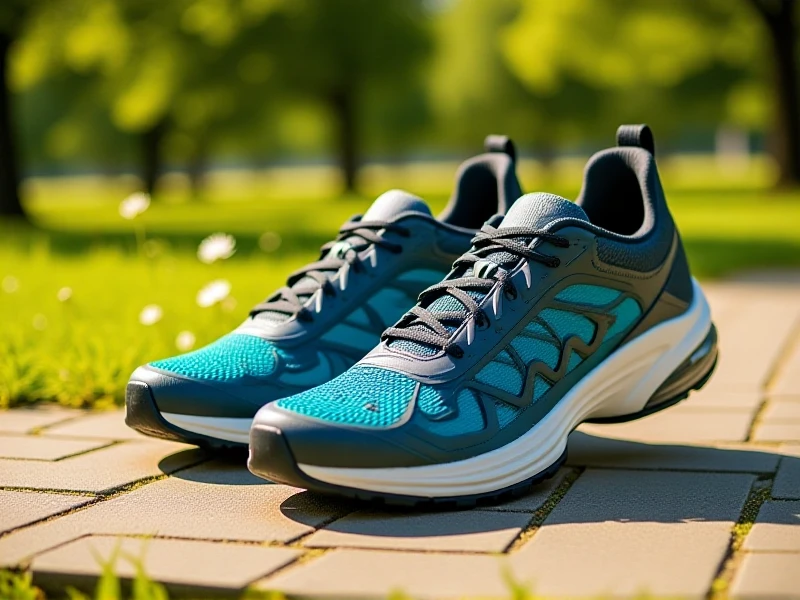
Running Shoes: Your Foundation for Every Stride
Finding the perfect pair of running shoes isn't about chasing trends; it's about investing in your foundation. Running shoes are specifically designed to handle the unique demands of the sport, offering protection, comfort, and performance that regular sneakers simply can't match. Whether you're training for a marathon, enjoying a daily jog, or hitting the trails, the right running shoes make all the difference.
The core function of running shoes revolves around managing impact. With every stride, your body absorbs forces several times your weight. High-quality running shoes feature advanced cushioning systems – often made from foams like EVA or polyurethane, or air/gel units – strategically placed to absorb shock effectively. This minimizes stress on joints like your knees, hips, and ankles, helping you run longer and more comfortably while reducing injury risk.
Beyond cushioning, stability is paramount. Running shoes come in categories that match different foot types and running styles. Models designed for "overpronation" (where the foot rolls inward excessively) offer structured support and firmer materials on the inner side (medial post) to guide the foot into a more neutral alignment. Running shoes for neutral runners or supinators (foot rolls outward) typically focus on balanced cushioning and flexibility. Understanding your gait is crucial for selecting the best running shoes.
Fit is non-negotiable. Ill-fitting running shoes cause blisters, black toenails, and discomfort that derails training. Your toes need ample room (about a thumbnail's width) to splay upon landing and pushing off, without the heel slipping. Breathable mesh uppers in modern running shoes help manage heat and moisture, keeping feet cooler and drier, reducing odor and friction. Flexibility through the forefoot ensures a natural toe-off, while a secure heel counter locks your foot in place.
The outsole, usually made of durable carbon rubber or lighter blown rubber, provides essential traction. Trail running shoes feature aggressive, deeper lugs and often protective plates for rugged terrain, while road running shoes have smoother, more flexible patterns optimized for pavement.
Don't underestimate the importance of replacing your running shoes regularly. Cushioning compacts and materials fatigue over time, typically between 300-500 miles. Worn-out running shoes lose their protective qualities, increasing injury risk.
Your choice in running shoes directly impacts your performance, comfort, and injury prevention. Prioritize fit, understand your gait, and invest in quality footwear designed to support every mile your journey holds. It's the smartest step you'll take as a runner. Explore options and find your perfect match to power your runs.